Showing posts with label Travel. Show all posts

Tuesday, June 26, 2012

TOP 10 THINGS TO KEEP IN YOUR CAR


Hope for the best and plan for the worst. The simple saying with complex details is so often thought of relative to your career or finances, and rightly so, though it shouldn’t be overlooked in regard to your car. Even if you keep some travel-size supplies aboard for emergency grooming purposes, don’t overlook things for the car itself. Your cell phone is a must, but alone it can’t bail you out of every sticky situation. On the other hand, it doesn’t make sense to stash a few hundred pounds of provisions for everyday driving or even road trips. Strike a sensible balance with our top 10 things to keep in your car.


No.10 Tire gauge


A minute of your time every week can save hours if ever stranded, and it’s as easy as keeping a tire gauge in your car. It’s fundamentally simple and obvious that a small patch of tire at each corner is your only connection to the road. What’s less realized is how critical proper inflation is to car safety and tire wear. Take a huge step toward preventing nastiness by using a tire gauge (digital is best and still reasonably priced) when tires are cold -- before you drive. The ideal pressure will be indicated not on the tire itself but the driver’s doorjamb and in your owner’s manual.


No.9 Oil


Even if your car runs perfectly fine, doesn’t smoke , and you don’t have to top off the oil every time you gas up, keep a quart or two of oil ready. You won’t be able to forgo checking the dipstick often, the way you normally should. Instead, this emergency supply can be added roadside and allow you to limp your car to a safer place should the unforeseen happen. It‘s even more critical if yours is one of the many new cars requiring a specific kind of oil.


No.8 Cell-phone charger


Some newer cars have phone docking and charging capability as standard features, which we hope to see more manufacturers offer. If this isn’t built in on your car, have a basic charger on hand, and use it often. If your car quits and you have to deal with a dead car battery, you might not have the ability to charge a drained phone.


No.7 Flashlight


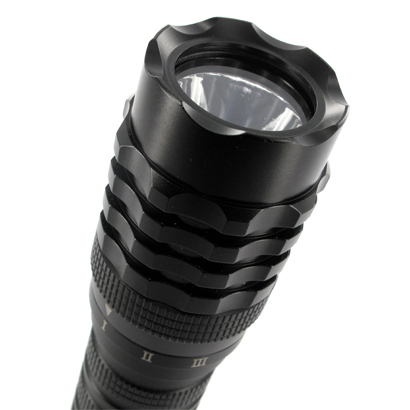
Yes, there is an iPhone app for a flashlight, and it can be extremely handy to have when the situation is inconvenient but not necessarily dire. It still doesn’t hold a candle to a proper flashlight, since it’s another big battery drain that was never really intended for use around a hot engine or poking around under a vehicle. Drop it once, game over. A good flashlight can withstand that and more while letting off more light.


No.6 Flat tire fixer


To save on expenses, space or weight, several new cars don’t have spare tires. They rely on either run-flats or sealant in a can. The latter isn’t bad to have regardless of how your car’s equipped, since even spares lose air when they’re left unchecked or can fail once in use. The products can be found with various brand names, but they more or less have the same functions of sealing and inflating. Certainly a convenience and potentially a must-have when the surface isn’t stable enough for a car jack or there isn’t the time and space to safely change your tire with traffic whizzing by just inches away. Just be sure the one you're buying is compatible with your tire type and won’t damage your tire pressure monitoring system once equipped.


No.5 Booster cables


Here’s another no-brainer for readers in cold climates who winterize their cars annually, but even desert dwellers need a boost now and then. As with some other things to keep in your car, check your owner’s manual to confirm the type of cables or booster system you can safely use. The traditional four-clamp setup may not be an option, or there may be specific points in your engine bay to serve as connectors, as opposed to the battery posts themselves. Just understand that a jump start is rarely the end of your problems; if you need it once, you’ll probably need it again unless other issues are addressed.


No.4 GPS and map


If your car doesn’t have a built-in navigation system, keep a portable GPS with you. Just don’t rule out having a map onboard. As good as factory and portable GPS units are, they still sometimes flake out or can’t grab a signal. Besides, if your car’s out of power, you’re out of luck. Even if your phone has the capability, signal strength could again pose an issue. With a map, your biggest problem is folding the thing properly, which really is just another lost art anyway.


No.3 Basic first-aid kit


With roadside surgeries at an all-time low, you don’t have to keep an elaborate arsenal of medical gear in your trunk, but, until help arrives, a small kit of the essentials can make a big difference. Things like bandages, burn cream, antibacterial ointment, and pain reliever aren't just things you will need for a family vacation. A poncho’s helpful too, functional as a makeshift blanket or to keep you dry when you’re stuck in the rain. Finally, a small extinguisher designed for automotive use keeps minor electrical and engine fires from getting out of hand.


No.2 Food and water


This isn’t just for Snowbelt readers. Food and water are things to keep in your car wherever you live or travel. Nothing elaborate here -- you’re not hauling around four-course meals for five. The idea is that you’ll have the bare minimum to keep you going when help could be many hours away or the weather extreme. Compact, healthy foods with long shelf lives, like energy or protein bars, are great choices. Have a few bottles of water, and replace them all from time to time.


No.1 Insurance information and vehicle registration


Any meeting of metal is never good, but being able to contact your insurance carrier and exchange information helps. As for registration, it seems fundamental to have proof that you, your car and its license plates all belong together. Some guys get lazy and fail to put their registration in the glove box, while others have purposely taken it out to minimize the threat of identify theft. The latter could be a legit concern, but chances are your state laws require it.


Wednesday, June 13, 2012

Around the Globe: Inside 10 of London's Secret Gardens

Who doesn't love a beautiful garden? Conde' Nast Traveler takes us on a gorgeous pictorial tour of  London's Open Garden Squares Weekend, June 9 and 10, one ticket bought access to more than 200 gardens, 120 of which are private. Here’s a peek at some of our favorites.


In Notting Hill, Julia Roberts and Hugh Grant climbed over the fence to enter Rosmead, but visitors on Sunday can stroll right in. (Photo: Sarah Jackson)


The private garden of the 600-year-old Draper’s Company has raised beds and five mulberry trees. (Photo: Drew Bennellick)


Belgravia’s Eaton Square is one of London’s most exclusive addresses (Neville Chamberlain lived at number 37, Vivien Leigh at number 54). But it welcomes the common people on Sunday with Caribbean food, a steel band, and a Punch & Judy show. (Photo: Gavin Gardiner)


Hampstead’s 17th-century Fenton House is a National Trust property that's open to the public, with formal gardens and an orchard growing 30 varieties of English apples. (Photo: Sarah Jackson)


Southwark’s Garden Barge Square is made up of verdant barges floating in the Thames; it offers great views of Tower Bridge. (Photo: Drew Bennellick)


Built in 1938 atop a department store, the elaborate Roof Gardens now belong to Virgin’s Richard Branson. It has three themed sections: the Tudor Courtyard, English Woodland, and Alhambra-inspired Spanish Garden. Four flamingos roam the premises. (Photo: Courtesy of The Roof Gardens)


A small black gate in Little Venice opens to Crescent Garden, one of the city’s largest private squares, where wide lawns beckon lucky children. (Photo: Sarah Jackson)


Plants and produce will be for sale at Fulham Palace Meadows Allotments this weekend. These 406 plots sit on an Anglo-Saxon site enclosed by the giant moat around the palace. (Photo: Gavin Gardiner)


One of the city’s four Inns of Court—like colleges for barristers—the Inner Temple has a beautiful three-acre garden, open daily to the public. Parts date to the times of the Knights Templar; Dickens and Thackeray lived here too. Just off Fleet Street, it’s a hidden respite from the crowds. (Photo: Barbara Neumann)


Dalston Eastern Curve Garden, built on a disused railway line, opened in 2010 to give Hackney much-needed green space. Its acclaimed eco-conscious design includes butterfly bushes, tomato plots, and a wooden pavilion for neighborhood activities. (Photo: Sarah Blee)


Tuesday, May 22, 2012

JUST IN TIME FOR THE UPCOMING HOLIDAY WEEKEND: HOW TO GRILL ABSOLUTELY ANYTHING!

HOW TO GRILL ANYTHING


Memorial Day marks the start of the serious grilling season, and there's no better weekend to try your hand at outdoor cooking, or bolster your established grill-master game. Luckily, honing your outdoor culinary skills is a lot more simple than it seems, given the right tools, a little preparation, and a few tips on technique. 


This primer covers everything from hot dogs to cherry tomatoes. As for seasoning, most foods will taste great if you add just a little salt, pepper, and olive oil beforehand. If you want even more flavor, try a rub or a marinade.


GETTING READY
Clean that grill: If there's black crust on the grill bars, you need to get it off to ensure no-stick cooking and easy food flipping. If you're feeling strong, wad up some aluminum foil and go to town on that stuff. For seriously stuck grime, you could also try popping the grill in the oven to bake off the stubborn bits.


Make your own sauce: Most of the pre-bottled sauces you see on grocery shelves are over-sweetened, and none match the taste of homemade. Making your own isn't that difficult, either. Use one of BBQ Recipe Secret's three sauce bases as a starting point, and build your own flavor ideas into them. It'll give you something to talk about while you're waiting for the ribs to finish. Don't be scared - try it for fun!


HONE YOUR TECHNIQUEUse a cheat sheet: Experience is the best indicator for knowing the precise moment to yank your food off the rack, but we've provided a super-helpful cheat sheet below. Here's a sample that covers the basics of red meat and sausages:


For more grilling gear, our gadget-crazed brother site Gizmodo runs down 10 awesome grills you can buy for the ultimate Memorial Day barbecue.


HOW TO GRILL BEEF

PERFECT BURGERS

Use meat that's as close to room temperature as possible for even cooking. Don't press them on the grill, unless you like your meat dry. And the best "secret" to great burgers is buying good meat, preferably ground by a butcher while you watch. (This author is a BIG FAN of this Kansas City favorite.) Heat: Direct (uncovered), high.


Time: 3 to 5 minutes per side.


Internal Temperature: 140° F for medium.


Tip: Don’t press down on the patties during cooking or you’ll squeeze out the delicious juices.


HOT DOGS 


Heat: Direct (uncovered), medium-high.


Time: 5 to 7 minutes, turning occasionally.


STEAKS
Seriously salt your steak: Got filet mignon dreams for the weekend, but only a Quarter-Pounder budget? Buy a cheap cut of "choice" meat, then salt, salt, salt the heck out of that thing—for only one hour before grilling, and then pat it dry. By doing so, your salt is breaking in your meat and loosening some of its protein strands, making it hold flavor better and cut like the steakhouse commercials of your dreams.

Let it rest: You'll be eager to slice open your tender steak or succulent chicken, but you'll lose a lot of juicy flavor if you do so. As the food techies at Cook's Illustrated point out, cutting into your food right off the grill releases a significant amount of juice, which would be re-absorbed for better succulence if you let it sit a few minutes.KC/New York Strip Steaks, ¾ to 1 Inch Thick

Heat: Direct (uncovered), medium-high.


Time: 3 to 5 minutes per side.


Internal Temperature: 130° F for medium-rare.


Tip: For the best sear, turn steaks just once halfway through.


Rib-Eye/Porterhouse Steaks, 1 to 1½ Inches Thick

Heat: Direct (uncovered), medium-high, then indirect (covered), medium-high.


Time: Direct for 3 to 5 minutes per side, then indirect for 4 to 6 minutes.


Internal Temperature: 130° F for medium-rare.


Note: For steaks 2 inches thick or more, increase indirect cooking time to 8 to 10 minutes.


HOW TO GRILL FRUIT


CITRUS FRUIT


(such as oranges and lemons, cut in half or into wedges)


Heat: Direct (uncovered), medium.


Time: 4 to 6 minutes, turning occasionally.


PINEAPPLE 


(cut into rings or wedges)


Heat: Direct (uncovered), medium.


Time: 2 to 4 minutes per side.


STONE FRUITS
(such as peaches, plums, and nectarines, cut in half and pitted)


Heat: Direct (uncovered), medium.


Time: 2 to 3 minutes per side.


HOW TO GRILL KABOBS


Soak wooden skewers for at least 15 minutes before threading to prevent burning on the grill. For tastiest results (meaning nothing is burned or overcooked), make your kebabs with items that cook at the same rate—say, shrimp and cherry tomatoes (fast) or chicken, onions, and oranges (slow).


BEEF, PORK AND POULTRY
Heat: Direct (uncovered), medium-high.


Time: 4 to 6 minutes, turning occasionally.


Tip: For best results, cut meat into 1- to 1½-inch cubes.


SHRIMP AND SCALLOPS


Heat: Direct (uncovered), high.


Time: 1 to 2 minutes per side.


VEGETABLES 


Heat: Direct (uncovered), medium-high.


Time: 4 to 6 minutes, turning occasionally.


Tip: For best results, cut vegetables into 1- to 1½-inch cubes.


HOW TO GRILL LAMB


Chops, ½ to 1 Inch Thick


Heat: Direct (uncovered), high.


Time: 3 to 5 minutes per side.


Internal Temperature: 130° F for medium-rare.


Chops, 1 to 1½ Inches Thick


Heat: Direct (uncovered), high.


Time: 4 to 6 minutes per side.


Internal Temperature: 130° F for medium-rare.


Leg, Butterflied Boneless, 1 to 1½ Inches Thick, 3 to 3½ Pounds


Heat: Direct (uncovered), medium-high, then indirect (covered), medium-high.


Time: Direct for 4 to 5 minutes per side, then indirect for 15 to 20 minutes.


Internal Temperature: 130° F for medium-rare.


Tip: If you’re grilling a leg of lamb tied into a roll, increase indirect grilling time to 20 to 30 minutes.


Rack of Lamb, 1 to 1½ Pounds


Heat: Direct (uncovered), medium-high, then indirect (covered), medium-high.


Time: Direct for 3 to 5 minutes per side, then indirect for 10 to 15 minutes.


Internal Temperature: 130° F for medium-rare.


HOW TO GRILL PORK


BABY BACK RIBS


Heat: Indirect (covered), medium-high, then direct (uncovered), medium-high.


Time: Indirect for 25 to 30 minutes, then direct for 4 to 5 minutes per side.


Tip: For a delicious caramelized finish and to prevent burning, apply barbecue sauce only during the last 5 minutes of cooking.


CHOPS, ½ to 1 INCH THICK
 Heat: Direct (uncovered), medium-high.


Time: 3 to 5 minutes per side for bone-in; 2 to 5 minutes per side for boneless.


Internal Temperature: 145° F.


CHOPS, 1 to 1½ INCHES THICK
 Heat: Direct (uncovered), medium-high.


Time: 6 to 8 minutes per side for bone-in; 5 to 7 minutes per side for boneless.


Internal Temperature: 145° F.


LOIN ROAST, BONE-IN 4 TO 5 LBS.

Heat: Direct (uncovered), medium-high, then indirect (covered), medium-high.


Time: Direct for 10 to 15 minutes, turning occasionally, then indirect for 1 to 1½ hours.


Internal Temperature: 145° F.


LOIN ROAST, BONELESS, 3 TO 4 POUNDS

Heat: Direct (uncovered), medium-high, then indirect (covered), medium-high.


Time: Direct for 10 to 15 minutes, turning occasionally, then indirect for 30 to 40 minutes.


Internal Temperature: 145° F.


SAUSAGE LINKS
Heat: Direct (uncovered), medium-high.


Time: 10 to 15 minutes, turning occasionally.


Internal Temperature: 145° F for pork; 165° F for chicken.


Tip: To grill a sausage coil, run 2 long skewers through it in a crisscross pattern, then cook as directed above, turning once.


TENDERLOIN


Heat: Direct (uncovered), medium-high, then indirect (covered), medium-high.


Time: Direct for 6 to 8 minutes, turning occasionally, then indirect for 10 to 12 minutes.


Internal Temperature: 145° F.


HOW TO GRILL POULTRY


As my fellow neighbor and serious griller, Jerod S. can attest, eHow's technique for grilling whole or partial chicken results in some juicy bird. The basics: Oil the grill, cook the chicken uncovered slightly off the heat center, and, for the love of Sunday, don't put your sauce on until the last few minutes.CHICKEN BREASTS - BONELESS AND SKINLESS

Heat: Direct (uncovered), medium.


Time: 5 to 6 minutes per side.


Internal Temperature: 160° F.


CHICKEN CUTLETS

Heat: Direct (uncovered), medium.


Time: 2 to 3 minutes per side.


Internal Temperature: 160° F.


CHICKEN PIECES, BONE-IN


Heat: Indirect (covered), medium.


Time: 40 to 50 minutes.


Internal Temperature: 165° F.


Tip: For crispy skin, grill the pieces skin-side down over direct heat (uncovered) until golden, 6 to 8 minutes, then transfer to indirect heat and cook skin-side up until cooked through.


CHICKEN THIGHS - BONELESS, SKINLESS

Heat: Direct (uncovered), medium.


Time: 4 to 5 minutes, turning once.


Internal Temperature: 165° F.


CHICKEN WINGS
Heat: Indirect (covered), medium.


Time: 25 to 30 minutes, turning occasionally.


Internal Temperature: 165° F.


WHOLE CHICKEN - 3 TO 4 LBS.


Heat: Indirect (covered), medium.


Time: 45 minutes to 1 hour, 15 minutes.


Internal Temperature: 165° F, measured in the thigh.


TURKEY BURGERS


Heat: Direct (uncovered), medium-high.


Time: 5 to 7 minutes per side.


Internal Temperature: 165° F.


Tip: Don’t press down on the patties during cooking or you’ll squeeze out the delicious juices.


TURKEY CUTLETS 


Heat: Direct (uncovered), medium.


Time: 2 to 3 minutes per side.


Internal Temperature: 160° F.


HOW TO GRILL SEAFOOD


The trick with seafood is to make sure it doesn’t stick. So coat it lightly with oil and check that the grate is clean and very hot. For fillets and whole fish, you can also try this foolproof (albeit more time-consuming) method: Place the fish on a soaked cedar plank or a lightly oiled piece of heavy-duty foil, then grill (covered), over medium indirect heat.


SCALLOPS 


Heat: Direct (uncovered), high.


Time: 1 to 2 minutes per side.


Tip: Thread on skewers for easy turning.


SHRIMP


Heat: Direct (uncovered), high.


Time: 1 to 2 minutes per side.


Tip: Thread on skewers for easy turning.


FISH FILLETS OR STEAKS - 3/4 TO 1 INCH THICK

(such as salmon, striped bass, and mahimahi)


Heat: Direct (uncovered), high.


Time: 3 to 4 minutes per side.


Note: If grilling with a cedar plank or foil, cook over medium indirect heat (covered), 20 to 30 minutes.


WHOLE FISH


Heat: Direct (uncovered), high.


Time: 4 to 5 minutes per side.


Note: If grilling with a cedar plank or foil, cook over medium indirect heat (covered), 20 to 30 minutes.


WHOLE FISH, LARGE FILLETS OR SIDE OF SALMON - 1 TO 3 LBS.

Heat: Indirect (covered), medium-high.


Time: 30 to 40 minutes.


Tip: Because a large fish can tear when turned, cooking on a plank, on foil, or in a fish basket is necessary.


HOW TO GRILL VEGETABLES 


ASPARAGUS

Heat: Direct (uncovered), medium-high.


Time: 2 to 4 minutes, turning occasionally.


BELL PEPPER


(cut into 2-inch strips)


Heat: Direct (uncovered), medium.


Time: 4 to 5 minutes per side.


EGGPLANTS, SUMMER SQUASH AND ZUCCHINI

(cut into ½-inch-thick slices)


Heat: Direct (uncovered), medium.


Time: 4 to 5 minutes per side.


Tip: Slice the vegetables on the bias to expose the maximum surface area.


MUSHROOMS

Heat: Direct (uncovered), medium.


Time: 4 to 5 minutes per side.


Tip: Mushrooms can also be cooked in a foil pouch; see Tomatoes, Cherry, for the method and times.


ONIONS 


(cut into ½-inch-thick rounds or wedges)


Heat: Direct (uncovered), medium.


Time: 5 to 6 minutes per side.


POTATOES


(slice, then cook in a pouch made of heavy-duty foil)


Heat: Indirect (covered), medium-high.


Time: 25 to 30 minutes.


Tip: New potatoes can be cooked whole, or halved if large.


SCALLIONS


Heat: Direct (uncovered), medium-high.


Time: 2 to 4 minutes, turning occasionally.


TOMATOES, BEEFSTEAK OR PLUM

(cut in half)


Heat: Direct (uncovered), medium.


Time: 2 to 3 minutes per side.


CHERRY TOMATOES
(cook in a pouch made of heavy-duty foil)


Heat: Indirect (covered), medium-high.


Time: 5 to 10 minutes.


OF COURSE, LET US NOT FORGET WHAT THE HOLIDAY IS REALLY ABOUT. HONORING THOSE MEN AND WOMEN WHO DIED WHILE SERVING OUR COUNTRY.
WE HOPE YOU ALL HAVE A WONDERFUL HOLIDAY!

Original Article in Real Simple Magazine


Wednesday, May 9, 2012

WEDNESDAY WISDOM: HOW TO READ A TIRE SIDEWALL

How To Read a Tire Sidewall


There's probably a lot more information on a tire's sidewall than you're aware of, such as where the tire was made and when, and sometimes, even whether your tire complies with pass-by noise regulations in Europe.


Here's how to decode it all:


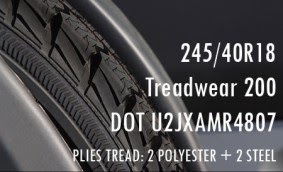
1.) 245: The numbers preceding the slash indicate the distance, in millimeters, across the widest point of the tire called section width (245mm, or 9.65 inches, in this case) when mounted on a wheel of specified width. Often listed before this number are letters that loosely signify the kind of duty for which the tire was designed: P stands for p-metric and is generally used on passenger cars, LT indicates light-truck duty, and T is for a temporary spare.


2.) 40: This two-digit number is the aspect ratio, or profile, of the sidewall. This tire's sidewall height is 40 percent of the tire's width, which equates to 98mm, or 3.86 inches. The lower the number, the shorter the sidewall. An exception is Michelin PAX tires, where this number signifies the overall diameter of the tire in millimeters.


3.) R: This letter indicates radial tire construction; nearly all tires sold today are of this variety. Other constructions are D for bias-ply tires and B for belted. A preceding Z is simply a reference to an outdated and vague speed rating of more than 240 km/h, or 149 mph (the specific rating can be found in the service description).


4.) 18: This number indicates the diameter of the wheel on which the tire should be mounted, generally in inches. These are usually whole numbers but can also be half-inch increments, such as 16.5, or in millimeters, as in 390.


5.) SERVICE DESCRIPTION: These numbers and letter together are called the service description. The numbers indicate the tire's maximum load rating, or the amount of weight the tire can bear (93 stands for 650 kilograms, or 1433 pounds), and the letter denotes the speed rating, or how fast the tires can safely rotate (W means 270 km/h, or 168 mph). The lowest rating typically found on passenger-car tires is Q, which means 99 mph. The highest, Y, is good for 186 mph, and when enclosed in parenthesis, as in (93Y), it means in excess of 186 mph. These values are determined by tire-testing machines in a lab, and the decoded load rating is also listed elsewhere on the tire.


6.) RED DOT: Here's a long-held myth that can be put to rest: It doesn't help in the balancing process to align the heavy spot of a tire often indicated with a red dot with a wheel's valve stem when mounting. Aluminum wheels are now the norm, and the valve stem is no longer the de facto lightest point.


7.) 200: The tread-wear grade is a relative figure based on the rate of wear of a tire during a 7200-mile on-vehicle test compared with that of a reference tire. The higher the number, the longer it will likely last. 300 indicates that the tire should last three times longer than the Uniroyal reference tire, which scores 100.


8.) A: A tire gets a seemingly uninformative traction grade (AA, A, B, or C) based on how much grip it generates in a straight-line test in which the tire is dragged at 40 mph across a wet surface without being allowed to rotate at all.


9.) A: This letter indicates a tire's ability to dissipate heat. As heat increases dramatically at high speed, this is, in effect, a second, less precise speed rating. A means the tire can withstand speeds over 115 mph, B is for between 100 and 115 mph, and C means between 85 to 100 mph.


10.) M+S: This stands for mud and snow and simply means that the tire has more space between the treads, which should help to facilitate traction on soft surfaces.


11.) MOUNTAIN SNOWFLAKE: Unlike the M+S rating, this icon indicates that a tire has met a minimum performance requirement in snow testing.


12.) ORIGINAL EQUIPMENT (OE) MARKING: These letters or a symbol indicate that this is the automaker-specified version of a tire that came as a car's original equipment. These tires can often be a very different blend of rubber compound compared with the off-the-shelf variety of the same tire, even though the tread pattern is identical. Examples of OE markings: General Motors' all have a TPC SPEC number; BMWs have a five-pointed-star symbol; Mercedes' some are emblazoned with M0; Porsche-all have the letter N followed by a number, i.e., N1, N2, etc.


13.) TIRE CONSTRUCTION MATERIALS: This is a required and self-explanatory list of the reinforcing materials and number of layers (in both the tread and the sidewall) that are molded into a tire's rubber for reinforcement.


14.) DOT LABEL: Every tire sold in the U.S. must have U.S. Department of Transportation (DOT) labeling. The first two characters indicate the factory of manufacture, and the next five or six are manufacturer-specific jargon (for tracking purposes, as in the case of a recall). The last four numbers give the date of production (the first two indicate which of 52 weeks, and the second two, the year). The European equivalent of the DOT code may also be present (it starts with an e), although fewer manufacturers are printing both on a tire?s sidewall (to prevent gray-market shipments when currency exchange rates fluctuate). If this string of numbers ends with -S, it means the tire complies with European noise regulations.


Here at Superior Lexus, we supply the correct tires for your Lexus at competitive prices. We continuously shop our competition in the KC market and post it here for you.


Article by DAVE VANDERWERP


Car and Driver, November 2009


Original article is here at http://www.caranddriver.com/reviews/car/09q3/how_to_read_a_tire_sidewall-feature